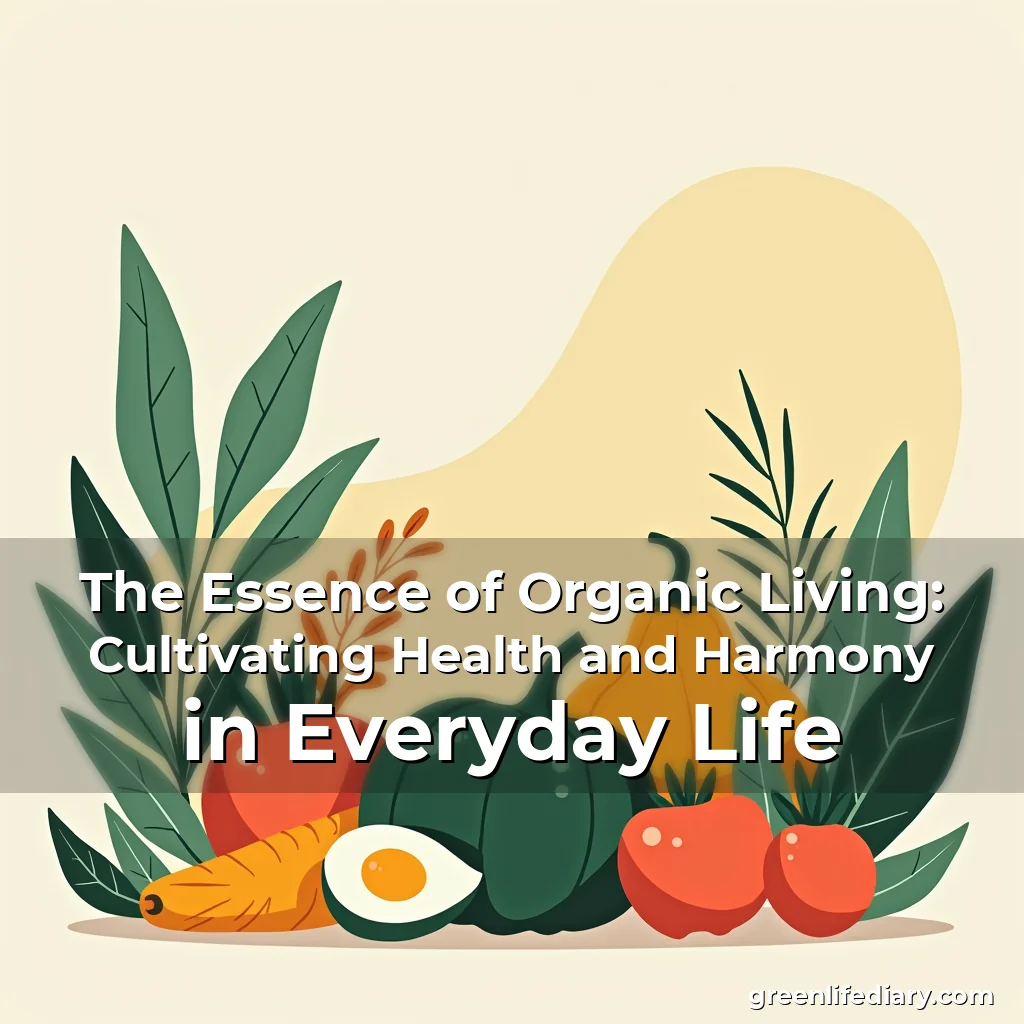
The Essence of Organic Living: Cultivating Health and Harmony in Everyday Life
In an era marked by rapid industrialization and environmental challenges, the concept of organic living has emerged as a beacon of hope for those seeking sustainable solutions. This lifestyle emphasizes natural processes, minimal chemical intervention, and a deep connection to the Earth’s resources.
Organic living is not merely a trend; it represents a commitment to health, ecological balance, and ethical consumption. By choosing organic products, individuals contribute to reducing pollution, conserving biodiversity, and supporting local communities.
Understanding the Foundations of Organic Living
At its core, organic living revolves around embracing nature’s rhythms and rejecting synthetic inputs that disrupt ecosystems. This philosophy extends beyond agriculture to encompass various aspects of daily life such as food, clothing, personal care products, and home environments.
A key principle underlying organic practices is respect for soil fertility through composting, crop rotation, and avoiding harmful pesticides. These methods enhance long-term agricultural productivity while preserving beneficial microorganisms essential for plant growth.
Moreover, organic farming prohibits genetically modified organisms (GMOs) and relies instead on traditional breeding techniques to develop resilient crops capable of thriving without artificial enhancements.
- Natural Pest Control: Encouraging biodiversity helps manage pest populations naturally rather than relying on toxic chemicals which can harm non-target species including pollinators like bees and butterflies.
- Eco-Friendly Farming Practices: Techniques such as cover cropping prevent erosion, conserve moisture, and enrich soil structure – all critical factors in maintaining healthy farmland over generations.
Health Benefits Associated With Choosing Organic Products
Selecting certified organic foods offers numerous advantages for human well-being. Studies indicate lower levels of pesticide residues in organically grown produce compared to conventionally farmed counterparts.
Consumers who opt for organic diets often report improved digestion due to higher fiber intake from minimally processed wholefoods rich in nutrients yet low in additives commonly found in commercially produced items.
Additionally, there’s growing evidence suggesting potential links between regular consumption of organic meals and reduced risk factors associated with certain chronic diseases such as cancer and cardiovascular ailments although more research remains necessary before definitive conclusions can be drawn.
Environmental Impact of Organic Agriculture vs Conventional Methods
One significant advantage of transitioning towards organic agriculture lies in its ability to mitigate climate change impacts effectively. Unlike conventional systems reliant heavily upon fossil fuel-based fertilizers and machinery, organic farms generally exhibit lower carbon footprints.
Soil degradation caused by intensive monoculture farming poses serious threats to global food security whereas regenerative approaches used within organic frameworks help restore degraded lands thereby increasing their capacity to sequester atmospheric CO₂.
Data reveals that organic fields tend to store approximately 30% more carbon than non-organics—an outcome largely attributed to enhanced microbial activity resulting from continuous application of organic matter back onto croplands during planting cycles.
Water Conservation Through Organic Land Management
Properly managed organic landscapes significantly reduce water usage requirements when compared against standard agribusiness models. The use of mulches combined with efficient irrigation strategies ensures optimal hydration needs are met without excess runoff contributing unnecessarily to surface water contamination issues.
Cover plants also play crucial roles here by preventing evaporation losses thus allowing available moisture levels remain adequate even under dry conditions—this aspect proves particularly vital regions experiencing prolonged drought periods.
Sustainable Fashion Choices Within An Organic Lifestyle
Adopting eco-conscious fashion habits complements broader efforts aimed at promoting greener lifestyles. Clothing made using organic cotton or hemp fabrics presents viable alternatives free from hazardous dyes typically employed across fast-fashion industries worldwide.
Prioritizing secondhand shopping options reduces textile waste accumulation rates dramatically since each reused garment delays entry into landfills where they would otherwise decompose slowly releasing methane—a potent greenhouse gas—as part of anaerobic decay processes occurring underground.
Economic Implications Of Transitioning Towards Organic Systems
While initial investments required may seem daunting, shifting toward organic methodologies ultimately leads towards greater financial stability both personally and communally. Local economies benefit immensely whenever consumers prioritize buying locally sourced goods produced according to strict environmental standards ensuring fair wages prevail among workers involved throughout supply chains.
Farmers adopting these principles frequently observe increased profitability figures following implementation thanks partly because premium pricing power afforded by demand fluctuations coupled with reduced dependency costs stemming from less reliance on external chemical suppliers translates positively into bottom line improvements.
Challenges And Considerations In Embracing Organic Living
Despite many compelling reasons behind pursuing organic choices, several hurdles exist which might deter some people from making full commitments. One primary concern relates specifically regarding availability—certified organic products aren’t always readily accessible especially in remote rural areas lacking sufficient distribution networks linking producers directly with end users.
Cost considerations represent another barrier; although long term savings accrue via better health outcomes alongside diminished need for medical treatments arising from exposure to toxins present abundantly elsewhere, upfront expenses related primarily to grocery bills sometimes create friction points particularly affecting lower income households trying hard enough just keeping up basic necessities already.
To overcome these limitations creatively, community gardens offer excellent platforms empowering individuals regardless socioeconomic backgrounds access fresh nutritious vegetables affordably while simultaneously building stronger neighborhood ties reinforcing collective responsibility surrounding shared goals focused solely improving quality lives lived sustainably together.
Cultivating A Mindset For Lasting Change
Successful integration of organic philosophies demands consistent effort coupled with unwavering resolve. Small but meaningful actions performed regularly accumulate substantial effects overtime transforming individual behaviors gradually evolving into widespread cultural shifts favoring responsible resource utilization aligned closely with planetary boundaries established scientifically.
Education plays pivotal role herein facilitating informed decision-making processes enabling accurate comparisons between different product types helping discern genuine benefits versus marketing gimmicks designed exclusively attract attention rather provide substantive value additions truly worth investing time money energy pursuing them relentlessly.
Engagement with local initiatives fosters deeper understanding promotes active participation strengthens communal bonds enhancing overall effectiveness achieved collectively versus isolated attempts alone unlikely yield desired results permanently sustained consistently thereafter.
Conclusion
Embracing organic living offers profound opportunities reshaping our relationship with environment fostering healthier communities cultivating resilience amidst mounting global crises facing us today.
By consciously selecting organic products prioritizing sustainable practices integrating mindful consumption patterns we become stewards actively shaping future directions planet takes forward proving everyday choices indeed hold immense power influencing world around us deeply meaningfully positively forevermore.

news is a contributor at Green Life Diary. We are committed to providing well-researched, accurate, and valuable content to our readers.